Blog

Water Heaters – What’s the Difference

You know our saying, “If water runs to it or through it, we do it!’ Here at Economy Plumbing Services LLC, we pride ourselves on having comprehensive knowledge of everything plumbing related – and sharing that with our customers. We want to make sure you have everything you need to make smart decisions for your home and plumbing needs, whether that’s the power of PEX tubing or when to replace your water heater. Speaking of, if you are on the edge of replacing your water heater and wondering, ‘What’s the difference between all these water heaters?’ read on because this blog is for you! 

Diff’rent Water Heaters, Diff’rent Strokes

We talk about it on our water heater page, but there are different kinds of water heaters out there and we have tons of experience with each of them.  There are different fuel sources, different tank options and sizes. Let’s go over a few of them!

Electric Water Heaters

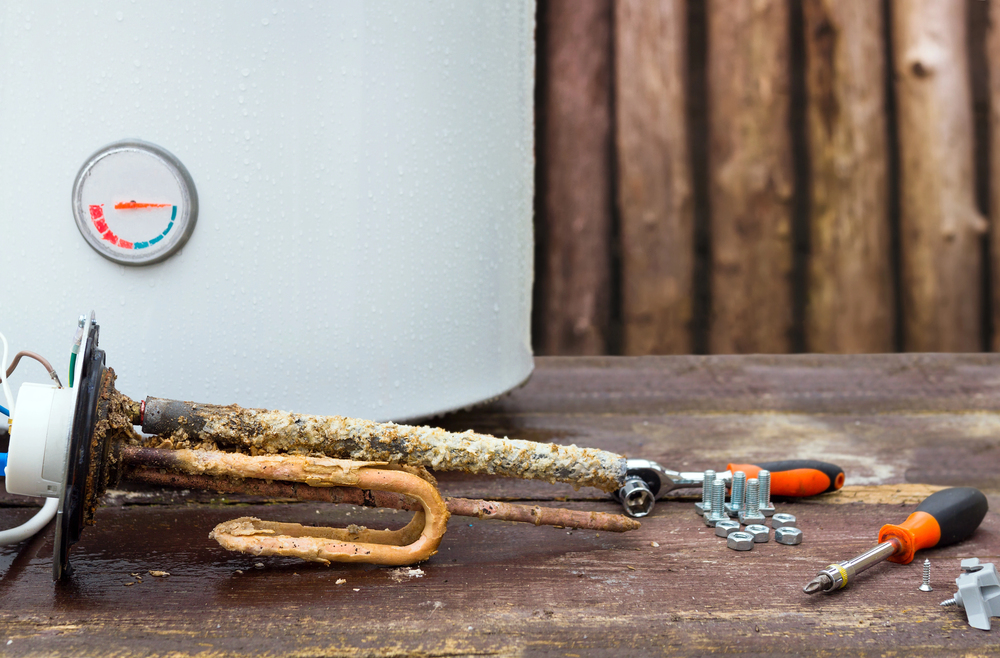
Electric water heaters use electricity as fuel to heat the water inside of the tank.  The unit takes power from your electrical and powers an electric heating element inside of the tank, if you think of a metal coil you basically have it right. These elements are replaceable in case wear and tear does a number on them. Usually, electric water heaters are less expensive than other types of water heaters. They can range in size from mid 20s to 100+ gallons of storage and also have a number of different efficiency models, which is nice because they generally are less efficient than gas water heaters.

Gas Water Heaters

Gas water heaters use your home’s gas lines to heat the water. The unit has a gas line that leads to a burner and chimney system that runs usually right down the center of the unit (to provide uniform and efficient heating). The burner – well, burns, and the exhaust goes up the chimney and through a vent while the heat generated warms the metal chimney walls. Gas water heaters are more energy efficient than electric water heaters but come at other costs. They need air circulating around the unit to properly vent it, you definitely don’t want to store any combustible materials nearby, and the are generally more expensive to purchase than an electric model. They have a similar range of tank sizes from 30 gallons up to 100 gallons.

Hybrid Water Heaters

Hybrid water heaters work off a heat pump system to heat the water. Using either the heat in the ground or the air, it uses minimal electricity to transfer that heat energy to the water. It can be set up outside or indoors. Hybrid models are more expensive on the front end, being larger than standard water heaters and need more room to install but afterwards they are incredibly energy efficient. They have a smaller range in tank size, from 50 to 80 gallons.

Fuel sources aren’t the only differences in water heaters – there are also tankless models to think about!

Tankless Water Heater

Tankless water heaters, also known as ‘on-demand’ water heaters are coils that water passes through being heated in the process. These models are incredibly energy efficient as well as the only energy used is to heat the water as it is needed, no excess energy is spent filling the tank with hot water. Tankless water heaters are more expensive to install however.

All of these water heaters can handle the job you throw at them, but the differences in how they function, what they require to work efficiently, and upfront costs are all things to keep in mind when you are shopping for your next heater. Need help? Give us a call! The experts at Economy Plumbing Services LLC are here to help!

If water runs through it or to it, we do it!
Recommended Posts

water heater repair when you need it.

Indicators That Your Water Heater Is Nearing the End of Its Life

In Tucson, AZ, our hard water and kind of wild temperature swings put extra stress on our plumbing systems. In that environment, catching issues early with your water heater can save you from that sudden cold shower (or a much bigger mess!) If you suspect you've got some issues, call us for professional water heater repair. How to Tell When Your Tucson, AZ Water Heater Is On Its Last Legs It's Just Old Most traditional tank-style water heaters last about 8 to 12 years under normal use and tankless models can go 15 to 20 years with good care. Your results may vary: it all depends on your water quality, how much hot water your household uses, and whether you've kept up with maintenance. Check the age by looking at the serial number on the manufacturer's label, which is usually on the side of the unit. If yours is approaching or past 10 years old, start paying closer attention to how it performs. It's Leaking, or You Can See Corrosion Small leaks often start at connections, the pressure relief valve, or seams in the tank itself, but they rarely stay there. Once you see puddles on the floor, the tank is often corroding from the inside out and needs attention right away. If you're actually seeing rust or corrosion on the outside of the tank or pipes connected to it, time is very short. In Tucson's hard water conditions, mineral content speeds up this process. The metal is breaking down, and a full failure could cause a flood any day now. It's Making Weird Noises Popping, rumbling, or banging when the water heater kicks on usually means you've got sediment buildup at the bottom of the tank. As the water heats, the trapped minerals and scale start to crackle and shift. You might also hear hissing or whistling if there's a problem with the heating element or too much pressure inside the unit. These noises don't always mean the end is immediate, but they do mean that performance is dropping and failure is comcing soon. It's Just Not Working Consistently If you're getting rusty, cloudy, or smelly water only from the hot taps, that suggests the tank's interior lining or anode rod is wearing out. The anode rod sacrifices itself to protect the tank from corrosion, but when it's gone, the rust starts forming inside and shows up in your water. You might also notice you're only getting lukewarm water sometimes, even when you set the thermostat high, or the hot water is running out faster than usual. This happens when sediment covers the bottom heating element or when the tank can't hold or heat water properly anymore. It's Costing You Money in Water Heater Repair If you're noticing a sudden jump in your gas or electric bill without any changes in your habits or usage, it's often a sign you've got an inefficient water heater. The unit is probably working overtime to compensate for sediment, scale, or a failing element. If you spot any of these issues, reach out to us at Economy Plumbing Service, LLC in Tucson now. Our team has helped many homeowners in the area with these issues.

water pipe emergency repair

How to Respond Quickly When a Major Pipe Burst Occurs

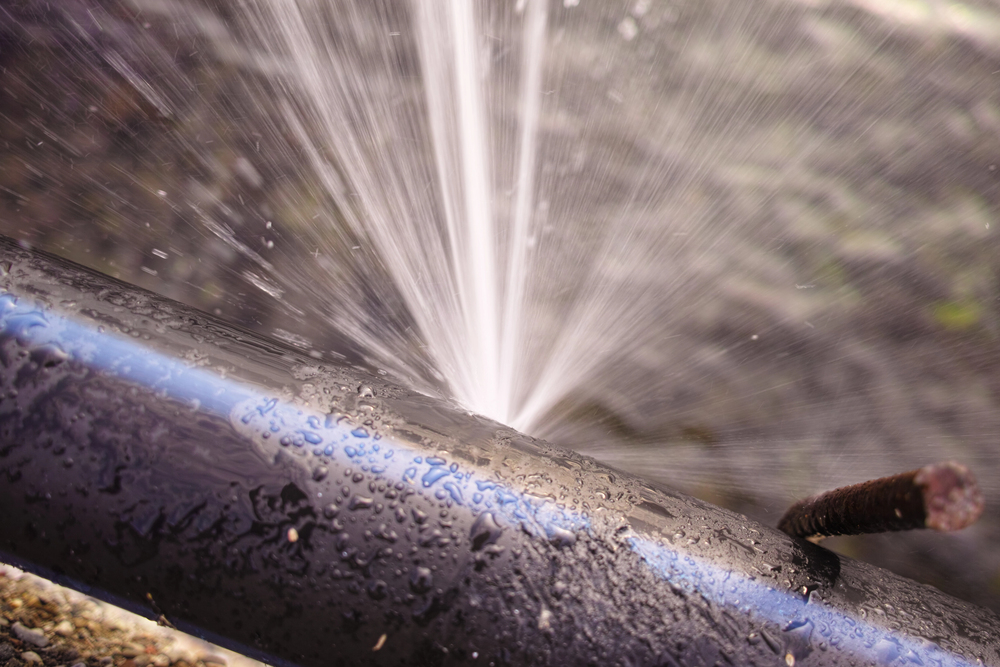
A major pipe burst can flood your Tucson, AZ home in minutes. Stay calm, act fast, and call an emergency plumber once you've stopped the flow. How to Deal With a Major Pipe Burst, Fast Protect Your Family If you've got small children or pets nearby, get them out of the affected area right away. Either the water itself or an electrical issue could endanger them, and they won't know how to stay out of your way or keep themselves safe. Shut Off the Water Head straight to your home's main shutoff valve: don't worry about assessing the damage or grabbing any belongings yet. Turn the valve clockwise until it stops. In most homes this valve is in the basement near the water heater, by the front foundation wall, or where the main line enters from the street. Turn Off the Electricity If the burst is near any outlets, lights, or appliances, turn off power to those areas at your breaker box. Only do this if you can reach the panel safely without stepping in deep water. If it feels risky, leave it alone and wait for help. Drain Remaining Water from the Pipes With the main water supply off, open all the cold-water faucets in the house and flush the toilets once. This relieves pressure and empties the lines so there's less water to keep spraying from the burst spot. Leave the faucets open until the flow slows to a drip. Document Everything Before Cleanup Get photos and videos of the damage right after you've stopped the water. You'll want evidence of the burst pipe, your wet floors, any affected walls and furniture, and damage to any belongings. You will need this for your insurance claim later, and the insurance companies will need proof that the damage came from this burst pipe rather than something else. Move Belongings and Contain the Water Lift rugs and move electronics, furniture, and important papers out of the wet zone. If the water is spreading, roll up towels or use plastic sheeting to block doorways and keep it from reaching other rooms. Work fast but safely. Don't carry heavy, soaked items if they're too heavy for you, and focus on irreplaceable items first, like photos, electronics, and documents. Call a Tucson, AZ Emergency Plumber Don't wait if water is involved, because every minute you lose is another minute for mold to grow or a new problem to develop.  A good emergency plumber can isolate the problem, make a temporary repair if it's after hours, and plan for a permanent fix as soon as possible while coordinating with a restoration team. Start Removing Standing Water While you wait for the plumber, use mops, towels, a wet/dry vacuum, or buckets to get water off the floor. The faster you remove it, the less it soaks into subfloors or walls. Open the windows and run fans to improve airflow if the weather allows. Your aim is getting the area as dry as possible. You've got this. Act fast, and call us at Economy Plumbing Service, LLC at 520-885-3510 for the best emergency plumbing service in Tucson.

Tankless or Traditional: What’s the Best Water Heater Option for Your Home?

The decision between tankless and traditional models for replacement water heaters in Tucson can make a real difference in your daily comfort and long-term costs. Let's take a closer look at how each type works, which will help you pick the right fit for your household. Traditional Heaters Traditional tank-style water heaters store a set amount of water, usually 40 to 80 gallons, in an insulated tank and keep it hot constantly using either gas or electricity. When you turn on the faucet, hot water flows from the tank while cold water refills it at the bottom. Tankless Heaters These heaters only give you hot water when you need it. Cold water passes through a heat exchanger inside the compact unit, and out comes hot water, nearly instantly. Pros of Both Let's consider the pros of the traditional heaters first: They're cheaper up front Installation is simpler because most homes already have the connections in place When it needs replacing, it's simple and often same-day They can handle a high flow rate (lots of usage simultaneously) The pros list for the tankless heater is also enticing: Less wasted energy from water being heated when it's not needed No running out of water, no matter how many people take showers Longer tank lifespan Takes up less space Cons of Both Here's the downsides to be aware of with traditional heaters: They use more energy (much more, in some cases) They run out of hot water, and you have to wait while they refill They're bulky and need more room for placement They need to be replaced sooner than tankless As for tankless heaters, be aware that: Installation costs are usually higher Initial purchase price is higher Flow rate is lower unless you invest in a bigger (or multiple) units Scale can form inside the heat exchanger faster than in a tank model Best Water Heaters in Tucson: Local Factors There are a few local factors that might also influence your decision. We have hard water, so that means scaling is more of an issue. Both types of heaters need to be flushed to prevent buildup, but the tankless might need it more often. We've also already got high energy bills with the hot summers we have here, so trimming that with a tankless model can make a big difference over time. Tankless water heaters pay for themselves in energy savings in about seven years, and if you take care of your model, it can last up to 20.If you're still weighing the options for your specific setup, give us a call at Economy Plumbing Service LLC here in Tucson at 520-885-3510. We're a family-owned business with more than seventeen years of honest, no-pressure service here in Tucson. We'll walk through your usage, space, and water conditions to help you choose the heater that actually fits your home and lifestyle. We also serve clients in Vail, Rita Ranch, Oro Valley, Green Valley, and surrounding areas.