Blog

When To Replace Water Heaters – An Economy Plumbing Guide

Water heaters are an absolute comfort in the home, giving us relaxing showers and baths, helping in cooking and cleaning – they just flat out make life easier. But what happens when that ease, when that comfort goes away? You ever jump in a shower just to have the heat disappear on you? It’s awful! Keeping an eye on your water heater’s ‘health’ as it were is critical to avoiding catastrophe down the line. This time on the Economy Plumbing Service blog we are answering the question, ‘How to know when to replace water heater?’

When To Replace Water Heater – 4 Signs

Age of Water Heater

The biggest determining factor of whether or not you need to replace your water heater is the age of the unit itself. Most water heaters are built to last about eight to ten years, some can reach up to 15 or 20 with proper maintenance. If everything works in perfect order they might even last longer. But nothing ever works perfectly. It’s very likely you’ll need to replace your water heater before then to avoid a total unit failure.

Bills Skyrocketing

Water heaters are made to work efficiently. They convert energy into heat to warm water, and so long as everything works as it should, that is an easily tracked cost. If it starts to rise you can be sure something isn’t working up to snuff. 

It could also be your repair bills that are running higher than normal. If you are having to call out an expert (*ahem* like Economy Plumbing Services) twice a year or more, it might be worth the investment to replace the unit entirely.

Low Volume

Ever take a nice warm shower only to have the heat die out on you three minutes in? You’re not crazy! Water heaters work by heating up a set volume of water to be on hand and ready for use. As they wear out, they fill with sediment, which lowers the amount of open space for water. If cold showers are becoming an all too common occurrence, well you’ll know when to replace water heater.

Rusty Water

Red coloration in your water is a sign that the pipes the water travels through is rusted up. If the red water only comes out of the hot water tap, well then you know where it’s coming from! It means the water heater itself is rusting out and it’s probably time to get a new heater in.

Can My Water Heater Keep Going?

Not all problems need immediate replacement, though they need to be looked at! Here are some of the less dire water heater problems that your unit can likely survive (with proper attention of course!)

Leaky Water Heater

Leaky water heaters are a dime a dozen I tell ya. There are a few likely spots where that water leakage can occur: the water supply pipes or the pressure-relief valve. If it’s either of these parts, you are in luck! Replace the pressure-relief valve or tighten (or replace) the water supply fittings as needed.

plumber repairing leaking water heater

Strange Noises

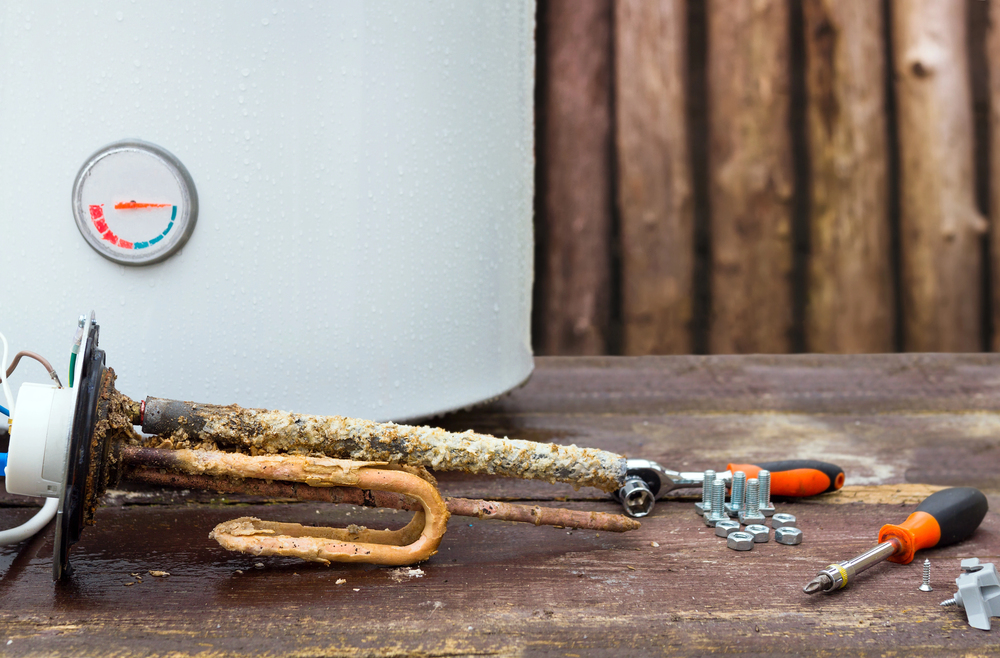
Strange noises and water heaters go together like peanut butter and jelly it seems. These noises are usually caused by sediment gather in the water heater tank. To handle this you’ll want to drain the tank until the water and sediment clears out. Clean the elements inside, following all safety instructions first of course, and scrub the collected scale and the noises should slow down.

Whether you need to replace the whole unit or just make some minor repairs, we hope this blog has helped you get your water heater woes settled. If you need help or want to see what a new unit could cost, don’t hesitate to give us a call! We are happy to help you in any way you need.
Recommended Posts

water heater repair when you need it.

Indicators That Your Water Heater Is Nearing the End of Its Life

In Tucson, AZ, our hard water and kind of wild temperature swings put extra stress on our plumbing systems. In that environment, catching issues early with your water heater can save you from that sudden cold shower (or a much bigger mess!) If you suspect you've got some issues, call us for professional water heater repair. How to Tell When Your Tucson, AZ Water Heater Is On Its Last Legs It's Just Old Most traditional tank-style water heaters last about 8 to 12 years under normal use and tankless models can go 15 to 20 years with good care. Your results may vary: it all depends on your water quality, how much hot water your household uses, and whether you've kept up with maintenance. Check the age by looking at the serial number on the manufacturer's label, which is usually on the side of the unit. If yours is approaching or past 10 years old, start paying closer attention to how it performs. It's Leaking, or You Can See Corrosion Small leaks often start at connections, the pressure relief valve, or seams in the tank itself, but they rarely stay there. Once you see puddles on the floor, the tank is often corroding from the inside out and needs attention right away. If you're actually seeing rust or corrosion on the outside of the tank or pipes connected to it, time is very short. In Tucson's hard water conditions, mineral content speeds up this process. The metal is breaking down, and a full failure could cause a flood any day now. It's Making Weird Noises Popping, rumbling, or banging when the water heater kicks on usually means you've got sediment buildup at the bottom of the tank. As the water heats, the trapped minerals and scale start to crackle and shift. You might also hear hissing or whistling if there's a problem with the heating element or too much pressure inside the unit. These noises don't always mean the end is immediate, but they do mean that performance is dropping and failure is comcing soon. It's Just Not Working Consistently If you're getting rusty, cloudy, or smelly water only from the hot taps, that suggests the tank's interior lining or anode rod is wearing out. The anode rod sacrifices itself to protect the tank from corrosion, but when it's gone, the rust starts forming inside and shows up in your water. You might also notice you're only getting lukewarm water sometimes, even when you set the thermostat high, or the hot water is running out faster than usual. This happens when sediment covers the bottom heating element or when the tank can't hold or heat water properly anymore. It's Costing You Money in Water Heater Repair If you're noticing a sudden jump in your gas or electric bill without any changes in your habits or usage, it's often a sign you've got an inefficient water heater. The unit is probably working overtime to compensate for sediment, scale, or a failing element. If you spot any of these issues, reach out to us at Economy Plumbing Service, LLC in Tucson now. Our team has helped many homeowners in the area with these issues.

water pipe emergency repair

How to Respond Quickly When a Major Pipe Burst Occurs

A major pipe burst can flood your Tucson, AZ home in minutes. Stay calm, act fast, and call an emergency plumber once you've stopped the flow. How to Deal With a Major Pipe Burst, Fast Protect Your Family If you've got small children or pets nearby, get them out of the affected area right away. Either the water itself or an electrical issue could endanger them, and they won't know how to stay out of your way or keep themselves safe. Shut Off the Water Head straight to your home's main shutoff valve: don't worry about assessing the damage or grabbing any belongings yet. Turn the valve clockwise until it stops. In most homes this valve is in the basement near the water heater, by the front foundation wall, or where the main line enters from the street. Turn Off the Electricity If the burst is near any outlets, lights, or appliances, turn off power to those areas at your breaker box. Only do this if you can reach the panel safely without stepping in deep water. If it feels risky, leave it alone and wait for help. Drain Remaining Water from the Pipes With the main water supply off, open all the cold-water faucets in the house and flush the toilets once. This relieves pressure and empties the lines so there's less water to keep spraying from the burst spot. Leave the faucets open until the flow slows to a drip. Document Everything Before Cleanup Get photos and videos of the damage right after you've stopped the water. You'll want evidence of the burst pipe, your wet floors, any affected walls and furniture, and damage to any belongings. You will need this for your insurance claim later, and the insurance companies will need proof that the damage came from this burst pipe rather than something else. Move Belongings and Contain the Water Lift rugs and move electronics, furniture, and important papers out of the wet zone. If the water is spreading, roll up towels or use plastic sheeting to block doorways and keep it from reaching other rooms. Work fast but safely. Don't carry heavy, soaked items if they're too heavy for you, and focus on irreplaceable items first, like photos, electronics, and documents. Call a Tucson, AZ Emergency Plumber Don't wait if water is involved, because every minute you lose is another minute for mold to grow or a new problem to develop.  A good emergency plumber can isolate the problem, make a temporary repair if it's after hours, and plan for a permanent fix as soon as possible while coordinating with a restoration team. Start Removing Standing Water While you wait for the plumber, use mops, towels, a wet/dry vacuum, or buckets to get water off the floor. The faster you remove it, the less it soaks into subfloors or walls. Open the windows and run fans to improve airflow if the weather allows. Your aim is getting the area as dry as possible. You've got this. Act fast, and call us at Economy Plumbing Service, LLC at 520-885-3510 for the best emergency plumbing service in Tucson.

Tankless or Traditional: What’s the Best Water Heater Option for Your Home?

The decision between tankless and traditional models for replacement water heaters in Tucson can make a real difference in your daily comfort and long-term costs. Let's take a closer look at how each type works, which will help you pick the right fit for your household. Traditional Heaters Traditional tank-style water heaters store a set amount of water, usually 40 to 80 gallons, in an insulated tank and keep it hot constantly using either gas or electricity. When you turn on the faucet, hot water flows from the tank while cold water refills it at the bottom. Tankless Heaters These heaters only give you hot water when you need it. Cold water passes through a heat exchanger inside the compact unit, and out comes hot water, nearly instantly. Pros of Both Let's consider the pros of the traditional heaters first: They're cheaper up front Installation is simpler because most homes already have the connections in place When it needs replacing, it's simple and often same-day They can handle a high flow rate (lots of usage simultaneously) The pros list for the tankless heater is also enticing: Less wasted energy from water being heated when it's not needed No running out of water, no matter how many people take showers Longer tank lifespan Takes up less space Cons of Both Here's the downsides to be aware of with traditional heaters: They use more energy (much more, in some cases) They run out of hot water, and you have to wait while they refill They're bulky and need more room for placement They need to be replaced sooner than tankless As for tankless heaters, be aware that: Installation costs are usually higher Initial purchase price is higher Flow rate is lower unless you invest in a bigger (or multiple) units Scale can form inside the heat exchanger faster than in a tank model Best Water Heaters in Tucson: Local Factors There are a few local factors that might also influence your decision. We have hard water, so that means scaling is more of an issue. Both types of heaters need to be flushed to prevent buildup, but the tankless might need it more often. We've also already got high energy bills with the hot summers we have here, so trimming that with a tankless model can make a big difference over time. Tankless water heaters pay for themselves in energy savings in about seven years, and if you take care of your model, it can last up to 20.If you're still weighing the options for your specific setup, give us a call at Economy Plumbing Service LLC here in Tucson at 520-885-3510. We're a family-owned business with more than seventeen years of honest, no-pressure service here in Tucson. We'll walk through your usage, space, and water conditions to help you choose the heater that actually fits your home and lifestyle. We also serve clients in Vail, Rita Ranch, Oro Valley, Green Valley, and surrounding areas.