
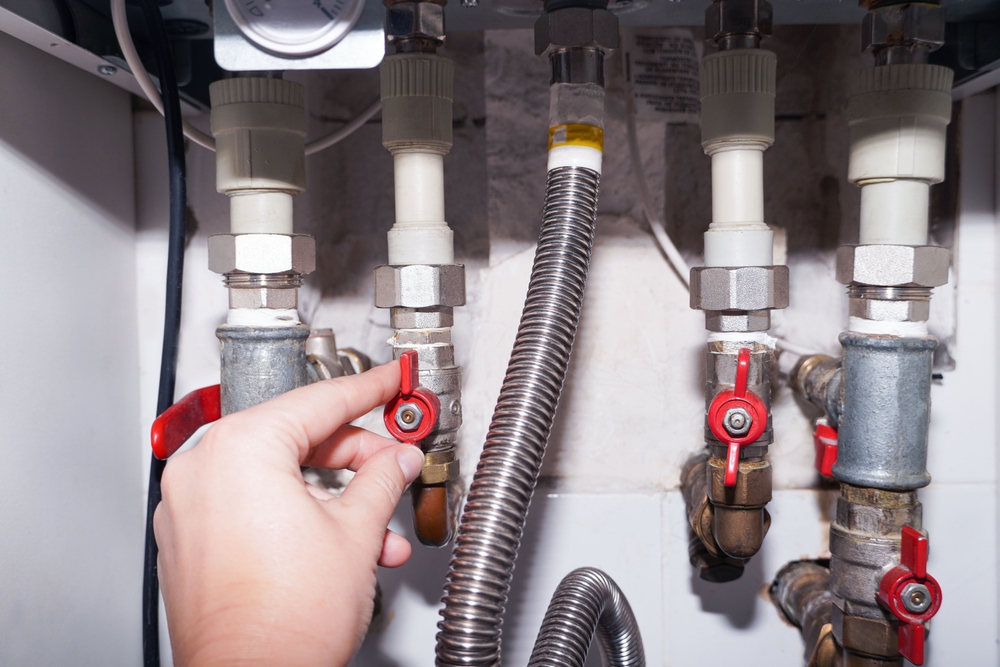
Water quality has a significant impact on plumbing systems, appliances, and daily household activities. Many homeowners in Tucson, AZ experience issues caused by hard water, which contains high levels of dissolved minerals like calcium and magnesium. Over time, these minerals accumulate in pipes, water heaters, and fixtures, reducing efficiency and increasing maintenance costs.
Soft water, on the other hand, is free from excessive minerals, making it more compatible with plumbing systems and household appliances. Understanding the differences between hard and soft water, identifying common signs of hard water, and learning about available water treatment solutions can help homeowners improve water quality and protect their plumbing.
What Is Hard Water?
Hard water is water that contains high concentrations of calcium and magnesium ions. These minerals are naturally present in groundwater, where they dissolve from limestone, chalk, and other sedimentary rocks. The hardness of water is measured in grains per gallon (GPG) or milligrams per liter (mg/L), with water classified as follows:
| Hardness Level | Grains per Gallon (GPG) | Milligrams per Liter (mg/L) |
|---|---|---|
| Soft Water | 0 – 3.5 | 0 – 60 |
| Moderately Hard | 3.5 – 7 | 61 – 120 |
| Hard Water | 7 – 10.5 | 121 – 180 |
| Very Hard Water | 10.5+ | 181+ |
Most regions, including Tucson, AZ, have moderate to very hard water due to the area’s geological composition.
What Is Soft Water?
Soft water is water that contains little to no dissolved calcium and magnesium. It naturally occurs in areas where water flows through igneous rock formations, such as granite, which do not release high amounts of minerals. Soft water can also be created using water softeners, which remove excess minerals through ion exchange or other filtration methods.
Hard Water vs. Soft Water: Key Differences
| Feature | Hard Water | Soft Water |
|---|---|---|
| Mineral Content | High levels of calcium and magnesium | Low or no dissolved minerals |
| Lathering Ability | Reduces soap lathering effectiveness | Allows soap to create a rich lather |
| Plumbing Impact | Causes scale buildup in pipes and appliances | Prevents scale accumulation |
| Skin and Hair Effects | Can cause dryness and irritation | Leaves skin and hair feeling softer |
| Appliance Efficiency | Reduces efficiency and lifespan of water heaters and dishwashers | Improves appliance performance |
| Taste | Often has a slightly metallic or chalky taste | Typically smoother and more neutral |
Signs of Hard Water in Tucson, AZ
Hard water can cause a variety of noticeable issues in homes and businesses. Common indicators of hard water include:
- White, chalky buildup on faucets and showerheads
- Spots and streaks on dishes, glassware, and silverware
- Reduced soap lather, requiring more detergent and shampoo
- Dry, itchy skin and brittle hair after bathing
- Frequent clogs and scale buildup in pipes and appliances
- Reduced water pressure due to mineral deposits in plumbing
- Shortened lifespan of water heaters and dishwashers
If you notice any of these signs, your home may benefit from water softener installation or other water treatment methods.
Effects of Hard Water on Plumbing and Appliances
1. Scale Buildup in Pipes and Water Heaters
Hard water deposits minerals inside pipes, leading to reduced water flow and increased pressure on plumbing systems. In water heaters, scale buildup forms on heating elements, making the system work harder and reducing efficiency.
2. Shortened Lifespan of Appliances
Hard water causes mineral deposits in dishwashers, washing machines, and coffee makers, reducing their efficiency and lifespan. Many appliances break down sooner when exposed to excessive scale accumulation.
3. Increased Energy Costs
Water heaters with scale buildup require more energy to heat water effectively, leading to higher utility bills. Even a small layer of mineral deposits can significantly reduce energy efficiency.
4. Plumbing Repairs and Maintenance Costs
Over time, hard water can lead to clogs, leaks, and pipe corrosion. Homes with untreated hard water often require more frequent plumbing maintenance and repairs.
Solutions for Managing Hard Water
Homeowners in Tucson, AZ have several options for managing hard water and protecting their plumbing systems.
Water Softener Installation
A water softener is a device that removes calcium and magnesium from water through ion exchange. These systems replace hard water minerals with sodium or potassium, preventing scale buildup and improving water quality.
Benefits of Water Softeners:
- Prevents scale formation in pipes and appliances
- Improves soap efficiency and lathering ability
- Extends the lifespan of water heaters and dishwashers
- Reduces water stains on dishes and fixtures
Descaling Treatments
Descaling solutions remove existing mineral deposits from pipes, faucets, and showerheads. Homeowners can use commercial descaling products or natural remedies like vinegar to break down scale buildup.
Common Descaling Methods:
- Vinegar Soaks: Effective for removing buildup from faucets and showerheads
- Lime and Scale Removers: Commercial products designed for water heater maintenance
- Plumbing Flushes: Professional services that remove heavy mineral deposits from pipes
Alternative Water Filtration Methods
For homeowners who prefer not to use salt-based softeners, alternative filtration options can help reduce water hardness.
Popular Water Filtration Options:
- Reverse Osmosis Systems: Removes minerals and contaminants for improved water purity
- Magnetic Water Conditioners: Alters mineral behavior to reduce scale buildup
- Template-Assisted Crystallization (TAC): Prevents minerals from adhering to surfaces without removing them from water
Choosing the Right Hard Water Solution
The best hard water treatment depends on household water usage, plumbing condition, and personal preferences. Homeowners in Tucson, AZ can consult with a professional plumber to determine the most effective solution for their needs.
When to Consider Water Softener Installation:
- If your home has significant scale buildup in plumbing and appliances
- If you frequently experience dry skin and hair
- If soap and detergent usage is higher than normal
- If appliances break down due to mineral deposits
When to Use Descaling Treatments:
- If you want a cost-effective method for removing minor scale buildup
- If you need to clean existing mineral deposits from faucets and showerheads
- If you’re looking for a temporary solution before installing a water softener
When to Use Alternative Filtration Methods:
- If you prefer a salt-free system for water treatment
- If you want to maintain healthy mineral content in drinking water
- If you’re concerned about environmental impact and sodium intake
Conclusion: Protect Your Plumbing with Water Softening Solutions
Hard water can have long-term effects on plumbing systems, appliances, and overall water quality. Recognizing the signs of hard water, understanding its impact, and taking proactive steps to manage mineral buildup can help homeowners in Tucson, AZ maintain their plumbing systems efficiently.
For expert advice on water softener installation, descaling treatments, and water filtration options, contact Economy Plumbing Service, LLC today. Our experienced plumbers in Tucson, AZ specialize in water treatment solutions to improve home water quality and protect your plumbing system.
Schedule a Consultation Now and take the first step toward better water quality in your home!
Connect with us


- September 2026
- August 2026
- July 2026
- June 2026
- May 2026
- April 2026
- March 2026
- January 2026
- December 2025
- July 2025
- June 2025
- May 2025
- April 2025
- March 2025
- February 2025
- January 2025
- December 2024
- November 2024
- October 2024
- September 2024
- July 2024
- June 2024
- May 2024
- April 2024
- March 2024
- February 2024
- January 2024
- May 2023
- April 2023
- March 2023
- February 2023
- January 2023
- December 2022
- November 2022
- October 2022
- September 2022
- August 2022
- July 2022
- June 2022
- April 2022
- March 2022
- February 2022
- January 2022
- December 2021
- November 2021
- October 2021
- September 2021
- August 2021
- July 2021
- June 2021
- May 2021
- April 2021
- March 2021
- February 2021
- January 2021
- November 2020
- October 2020
- September 2020
- August 2020
- July 2020
- June 2020
- May 2020
- April 2020
- March 2020
- February 2020
- January 2020
- October 2019
- September 2019
- July 2019
Archives
- Drain Cleaning
- Eco-Friendly Plumbing
- Economy Plumbing Service, LLC Service
- Emergency Plumbing Services
- Gas Line
- Hard Water
- Hydrojetting
- Pipe Insulation
- Pipe Repair
- Plumbing Fixtures
- Plumbing Inspections
- Plumbing Installation
- Plumbing Maintenance
- Plumbing Repair
- Plumbing Services
- Repiping
- Sewer Line
- Uncategorized
- Water Heater Installation
- Water Heaters
- Water Line Replacement
- Water Pressure