
Blog

11 No-Nos – What Not To Pour Down the Drain

Last time on the blog we talked about what some of the things you can do to help keep your plumbing system operating smoothly between professional check ups. One of those points was to ‘Know What You Pour,’ specifically talking about what you are putting down your drains. Well, you might not know what’s bad and what’s ok. So, this time on the blog we wanted to talk about eleven different things that should never go down your drain!

11 Things That Never Go Down the Drain

Eggshells

Eggshells are fine right? After all they’re so delicate, they should break down and drain easy. Wrong! The shells can cause blockages, with their edges catching on the uneven sides of the pipes and making for perfect spots for other things to cling to on their way down the pipe. Even one eggshell can be enough to cause the whole dang pipe to clog, when enough other debris build on it.

Coffee Grounds

Perhaps one of the most common causes of clogged drains, coffee grounds build up along the pipe and eventually cause blockages. Always put your coffee grounds in the garbage, or use them for composting if you are so inclined! Just make sure you’re not throwing them down the drain!

Grease

Grease is probably the thing most folks know not to put down their drains. The leftover fat or oil from cooking causes tons of trouble.  You ever leave grease in a pan overnight? How it cools and sticks to the surface? Now imagine that in your pipes! Any grease that gets poured into drains coats the sides of the pipe, narrowing the area for flow and eventually clogging entirely. Instead, allow the grease to cool, and dispose of it in the trash.

Flour

Flour might surprise you but it’s quite simple. When flour interacts with water it mixes into a sticky substance, which is why you use it in baking but for drains that’s a big no no. That sticky mixture will cling to anything else going down the drain with it and make for a fast clog.

Medication

This one isn’t so much a problem for clogging potential, thankfully, but it is harmful for the environment! Old, leftover, or expired medicine is technically medical waste and can be thrown away at facilities with those capabilities. If it goes down the drain it can leach into surrounding environment, messing with the ground and your drinking water.

Produce Stickers

By now you probably have an idea why this is no good. Stickers from produce are, well, sticky, so they can easily grab ahold of the side of the pipe and make for an obstruction just waiting for more friends to grab on to.

Condoms

Condoms are made of latex which will never dissolve in water. If they get flushed they’ll simply grab purchase somewhere on the way down along a pipe and get stuck. If they don’t well they might just end up in the ocean where sea life will mistake them for food and choke on them. In short, throw them in the trash! 

Anything ‘Flushable’

Despite the descriptions on these products, flushable wipes, or clothes, or even cat litter, are most definitely not safe for flushing. Many of things don’t break down correctly in the waste water and instead half fall apart, half clog the pipes. Just put them in the trash like you would any other version of the product and don’t be fooled by the marketing in the future!

Paint

Now paint is a liquid, so it shouldn’t cause a clog (though it is possible,) but it is a hazardous chemical and pouring it in a drain can lead to seriously bad effects on the environment. Take it to a hazardous waste facility instead, or speak with a local hardware store – they’ll know where to throw away your excess paint.

Feminine Hygiene Products

Just like latex condoms, feminine hygiene products don’t dissolve in water. They’re also designed to be absorbent. These two things together mean they are a surefire way to clog a pipe. Don’t risk the bill, just toss these in the trash.

Cleaners or Fluids

Like paint, these chemicals may not ever cause a clog, but they will certainly do a number on the environment. And we just don’t want that. Many cleaners have chemicals that can’t be removed in a water treatment plant and those chemicals will go on, harming the environment wherever they end up. Just don’t do it!

With this list in mind, you should be able to keep your drains flowing smooth! If you have a problem now, or a clog that just won’t quit. You give us a call and our expert plumbers will be out in no time to take care of you, whether it’s a clogged drain or a total repiping we do it all.
As always, remember, if water runs through it or to it, we do it!

Recommended Posts

water heater repair when you need it.

Indicators That Your Water Heater Is Nearing the End of Its Life

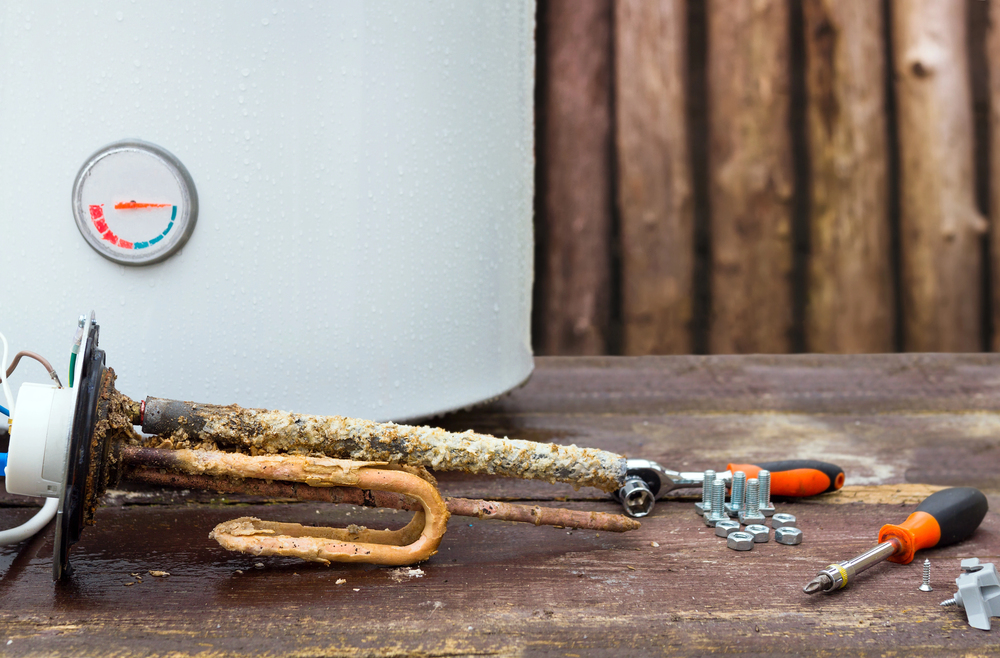
In Tucson, AZ, our hard water and kind of wild temperature swings put extra stress on our plumbing systems. In that environment, catching issues early with your water heater can save you from that sudden cold shower (or a much bigger mess!) If you suspect you've got some issues, call us for professional water heater repair. How to Tell When Your Tucson, AZ Water Heater Is On Its Last Legs It's Just Old Most traditional tank-style water heaters last about 8 to 12 years under normal use and tankless models can go 15 to 20 years with good care. Your results may vary: it all depends on your water quality, how much hot water your household uses, and whether you've kept up with maintenance. Check the age by looking at the serial number on the manufacturer's label, which is usually on the side of the unit. If yours is approaching or past 10 years old, start paying closer attention to how it performs. It's Leaking, or You Can See Corrosion Small leaks often start at connections, the pressure relief valve, or seams in the tank itself, but they rarely stay there. Once you see puddles on the floor, the tank is often corroding from the inside out and needs attention right away. If you're actually seeing rust or corrosion on the outside of the tank or pipes connected to it, time is very short. In Tucson's hard water conditions, mineral content speeds up this process. The metal is breaking down, and a full failure could cause a flood any day now. It's Making Weird Noises Popping, rumbling, or banging when the water heater kicks on usually means you've got sediment buildup at the bottom of the tank. As the water heats, the trapped minerals and scale start to crackle and shift. You might also hear hissing or whistling if there's a problem with the heating element or too much pressure inside the unit. These noises don't always mean the end is immediate, but they do mean that performance is dropping and failure is comcing soon. It's Just Not Working Consistently If you're getting rusty, cloudy, or smelly water only from the hot taps, that suggests the tank's interior lining or anode rod is wearing out. The anode rod sacrifices itself to protect the tank from corrosion, but when it's gone, the rust starts forming inside and shows up in your water. You might also notice you're only getting lukewarm water sometimes, even when you set the thermostat high, or the hot water is running out faster than usual. This happens when sediment covers the bottom heating element or when the tank can't hold or heat water properly anymore. It's Costing You Money in Water Heater Repair If you're noticing a sudden jump in your gas or electric bill without any changes in your habits or usage, it's often a sign you've got an inefficient water heater. The unit is probably working overtime to compensate for sediment, scale, or a failing element. If you spot any of these issues, reach out to us at Economy Plumbing Service, LLC in Tucson now. Our team has helped many homeowners in the area with these issues.

water pipe emergency repair

How to Respond Quickly When a Major Pipe Burst Occurs

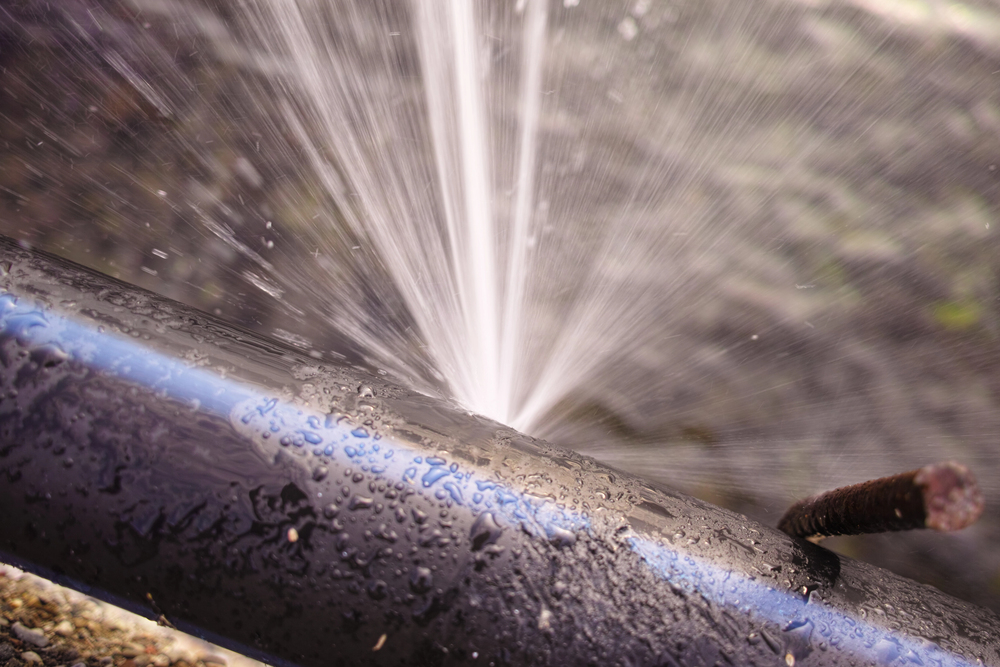
A major pipe burst can flood your Tucson, AZ home in minutes. Stay calm, act fast, and call an emergency plumber once you've stopped the flow. How to Deal With a Major Pipe Burst, Fast Protect Your Family If you've got small children or pets nearby, get them out of the affected area right away. Either the water itself or an electrical issue could endanger them, and they won't know how to stay out of your way or keep themselves safe. Shut Off the Water Head straight to your home's main shutoff valve: don't worry about assessing the damage or grabbing any belongings yet. Turn the valve clockwise until it stops. In most homes this valve is in the basement near the water heater, by the front foundation wall, or where the main line enters from the street. Turn Off the Electricity If the burst is near any outlets, lights, or appliances, turn off power to those areas at your breaker box. Only do this if you can reach the panel safely without stepping in deep water. If it feels risky, leave it alone and wait for help. Drain Remaining Water from the Pipes With the main water supply off, open all the cold-water faucets in the house and flush the toilets once. This relieves pressure and empties the lines so there's less water to keep spraying from the burst spot. Leave the faucets open until the flow slows to a drip. Document Everything Before Cleanup Get photos and videos of the damage right after you've stopped the water. You'll want evidence of the burst pipe, your wet floors, any affected walls and furniture, and damage to any belongings. You will need this for your insurance claim later, and the insurance companies will need proof that the damage came from this burst pipe rather than something else. Move Belongings and Contain the Water Lift rugs and move electronics, furniture, and important papers out of the wet zone. If the water is spreading, roll up towels or use plastic sheeting to block doorways and keep it from reaching other rooms. Work fast but safely. Don't carry heavy, soaked items if they're too heavy for you, and focus on irreplaceable items first, like photos, electronics, and documents. Call a Tucson, AZ Emergency Plumber Don't wait if water is involved, because every minute you lose is another minute for mold to grow or a new problem to develop.  A good emergency plumber can isolate the problem, make a temporary repair if it's after hours, and plan for a permanent fix as soon as possible while coordinating with a restoration team. Start Removing Standing Water While you wait for the plumber, use mops, towels, a wet/dry vacuum, or buckets to get water off the floor. The faster you remove it, the less it soaks into subfloors or walls. Open the windows and run fans to improve airflow if the weather allows. Your aim is getting the area as dry as possible. You've got this. Act fast, and call us at Economy Plumbing Service, LLC at 520-885-3510 for the best emergency plumbing service in Tucson.

Tankless or Traditional: What’s the Best Water Heater Option for Your Home?

The decision between tankless and traditional models for replacement water heaters in Tucson can make a real difference in your daily comfort and long-term costs. Let's take a closer look at how each type works, which will help you pick the right fit for your household. Traditional Heaters Traditional tank-style water heaters store a set amount of water, usually 40 to 80 gallons, in an insulated tank and keep it hot constantly using either gas or electricity. When you turn on the faucet, hot water flows from the tank while cold water refills it at the bottom. Tankless Heaters These heaters only give you hot water when you need it. Cold water passes through a heat exchanger inside the compact unit, and out comes hot water, nearly instantly. Pros of Both Let's consider the pros of the traditional heaters first: They're cheaper up front Installation is simpler because most homes already have the connections in place When it needs replacing, it's simple and often same-day They can handle a high flow rate (lots of usage simultaneously) The pros list for the tankless heater is also enticing: Less wasted energy from water being heated when it's not needed No running out of water, no matter how many people take showers Longer tank lifespan Takes up less space Cons of Both Here's the downsides to be aware of with traditional heaters: They use more energy (much more, in some cases) They run out of hot water, and you have to wait while they refill They're bulky and need more room for placement They need to be replaced sooner than tankless As for tankless heaters, be aware that: Installation costs are usually higher Initial purchase price is higher Flow rate is lower unless you invest in a bigger (or multiple) units Scale can form inside the heat exchanger faster than in a tank model Best Water Heaters in Tucson: Local Factors There are a few local factors that might also influence your decision. We have hard water, so that means scaling is more of an issue. Both types of heaters need to be flushed to prevent buildup, but the tankless might need it more often. We've also already got high energy bills with the hot summers we have here, so trimming that with a tankless model can make a big difference over time. Tankless water heaters pay for themselves in energy savings in about seven years, and if you take care of your model, it can last up to 20.If you're still weighing the options for your specific setup, give us a call at Economy Plumbing Service LLC here in Tucson at 520-885-3510. We're a family-owned business with more than seventeen years of honest, no-pressure service here in Tucson. We'll walk through your usage, space, and water conditions to help you choose the heater that actually fits your home and lifestyle. We also serve clients in Vail, Rita Ranch, Oro Valley, Green Valley, and surrounding areas.