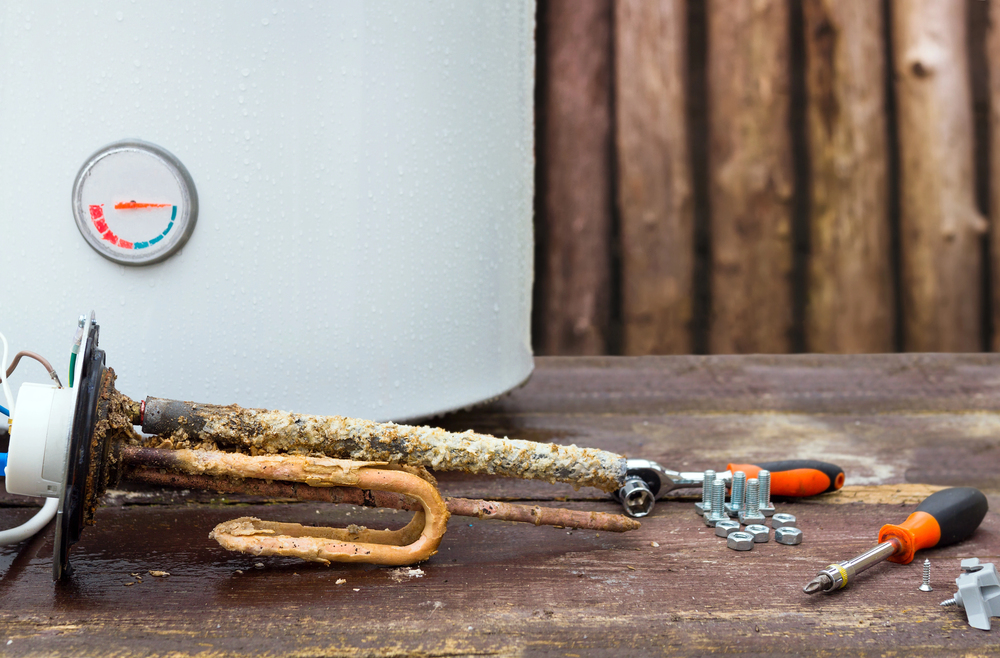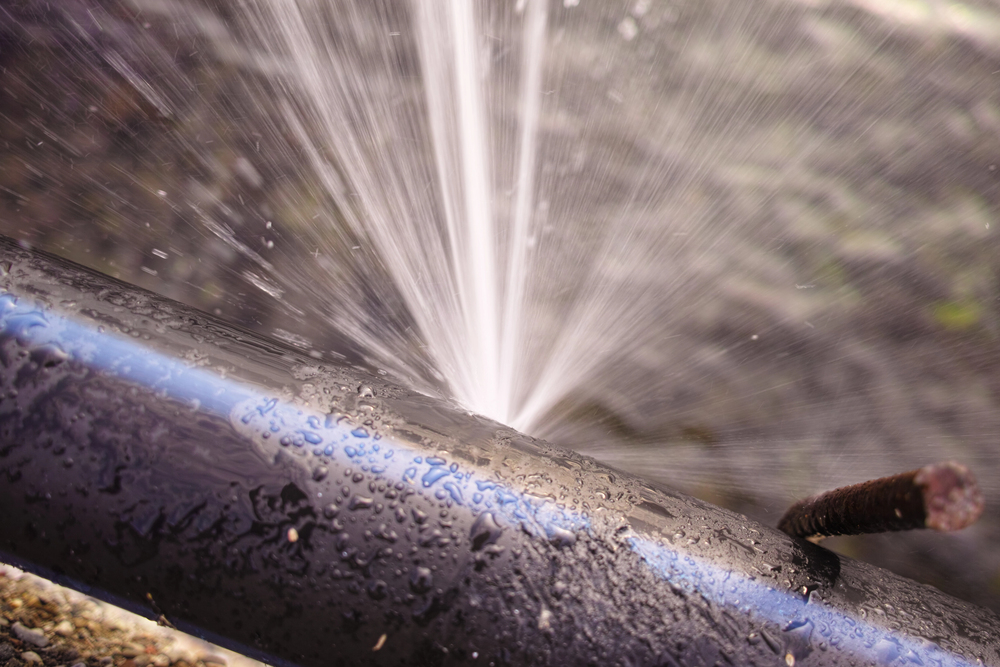
In Tucson, AZ, our hard water and kind of wild temperature swings put extra stress on our plumbing systems. In that environment, catching issues early with your water heater can save you from that sudden cold shower (or a much bigger mess!) If you suspect you've got some issues, call us for professional water heater repair. How to Tell When Your Tucson, AZ Water Heater Is On Its Last Legs It's Just Old Most traditional tank-style water heaters last about 8 to 12 years under normal use and tankless models can go 15 to 20 years with good care. Your results may vary: it all depends on your water quality, how much hot water your household uses, and whether you've kept up with maintenance. Check the age by looking at the serial number on the manufacturer's label, which is usually on the side of the unit. If yours is approaching or past 10 years old, start paying closer attention to how it performs. It's Leaking, or You Can See Corrosion Small leaks often start at connections, the pressure relief valve, or seams in the tank itself, but they rarely stay there. Once you see puddles on the floor, the tank is often corroding from the inside out and needs attention right away. If you're actually seeing rust or corrosion on the outside of the tank or pipes connected to it, time is very short. In Tucson's hard water conditions, mineral content speeds up this process. The metal is breaking down, and a full failure could cause a flood any day now. It's Making Weird Noises Popping, rumbling, or banging when the water heater kicks on usually means you've got sediment buildup at the bottom of the tank. As the water heats, the trapped minerals and scale start to crackle and shift. You might also hear hissing or whistling if there's a problem with the heating element or too much pressure inside the unit. These noises don't always mean the end is immediate, but they do mean that performance is dropping and failure is comcing soon. It's Just Not Working Consistently If you're getting rusty, cloudy, or smelly water only from the hot taps, that suggests the tank's interior lining or anode rod is wearing out. The anode rod sacrifices itself to protect the tank from corrosion, but when it's gone, the rust starts forming inside and shows up in your water. You might also notice you're only getting lukewarm water sometimes, even when you set the thermostat high, or the hot water is running out faster than usual. This happens when sediment covers the bottom heating element or when the tank can't hold or heat water properly anymore. It's Costing You Money in Water Heater Repair If you're noticing a sudden jump in your gas or electric bill without any changes in your habits or usage, it's often a sign you've got an inefficient water heater. The unit is probably working overtime to compensate for sediment, scale, or a failing element. If you spot any of these issues, reach out to us at Economy Plumbing Service, LLC in Tucson now. Our team has helped many homeowners in the area with these issues.