Blog

Spring Cleaning Your Plumbing

March is here and with the temperatures starting to heat up it’s time to start the yearly tradition of Spring Cleaning! Now, we’re not here to talk about how to rearrange your furniture or the best way to clean your windows but there is plenty you can do yourself to get your plumbing ready for the new season! This time on the Economy Plumbing Services blog – Spring Cleaning Your Plumbing!

Tips to Spring Clean Your Plumbing!

These are the easiest DIY steps you can take to care for your plumbing.

Check Your Pipes

First, take a look at all your pipes in and around your home. You’re looking for leaks and drips, you’d know if you had a burst pipe, that’s for sure. When water freezes it expands and that can cause pipes to crack or their fittings to get loosened when the ice thaws, causing leaks and drips. So grab a flashlight and check out all your pipes, under the sinks, in the cabinets, in the garage, and outside – Wherever they’re immediately visible take a look and if you notice anything that seems off, make a note of it!

Tend to the Toilet

While you’re cleaning your bathrooms as a part of a no doubt much more robust Spring Cleaning process, make sure you give the toilet all the attention it needs! Make sure you clean out behind the toilet and inspect a few areas: the base where it connects to the floor, the wall and the pipes connecting it, the flusher, and inside the tank. If anything is loose, tighten it. A lot of the upkeep and repairs for a toilet are surprisingly doable yourself.

Drain Time

Now drains don’t just need attention when they’re clogged! Like so many things a bit of preventative maintenance can go a long way to keeping your drains working as they should. Use a drain snake or some cleaner to clear away any debris or clogs that might be starting to form. By regularly clearing away anything gathering on the insides of your pipes you’ll prevent clogs from ever developing. Nice!

Start by using a drain snake to clear any immediate clogs. Simply take the snake, insert it into the drain, feeding it as far as it will go. Then slowly but firmly pull it back out of the drain to catch and free any clogs.

After you’ve used the snake, if you’d like to use drain cleaners or white vinegar rinses now is the time. With the biggest problems cleared away, the drain cleaners can break down the more difficult to snake debris.

And hey, drainage is huge. Come back next time to learn more about the power of drainage.

Breakdown Mineral Buildup

While you’re working on all the drains, look up at all of your faucets, including your sinks and the showerheads. When water flows through these fixtures, the minerals that are in your water will gather on the faucets. This can create a buildup that will ruin your water flow and can cause further problems. Thankfully these are pretty easy to handle!

Get yourself some white vinegar, plastic baggies, and rubber bands or tape. Fill a plastic sandwich bag with white vinegar and slide it over the showerhead. Using the rubber bands or tape, secure the bag to the pipe or faucet and allow it to sit. The vinegar will work at the minerals breaking and freeing them up.

While you wait, why not handle the soap scum and other gross gatherings in the tub or shower. Any accumulation like this can cause problems down the line so it’s best to break them down now. The sooner the better!

After the vinegar has had time to work its magic, about 30 minutes, you can remove the baggie, give the showerhead or faucet a quick wipe down and turn the water on. Any lingering mineral build-ups should be blasted away with the water. Nice!

Garbage Disposal … Disposition? 

Alright listen, we’re running out of titles I guess! Anyways. While you’re working with your sinks, take a look at your garbage disposals. Most garbage disposals have a pretty tough job, breaking down food waste so that it can get washed down the drain. There are a couple of different at-home garbage disposal cleaning processes, some involving ice and salt, others that use mostly vinegar. Find one you like and get to it.

Now with a freshly cleaned disposal, treat it right and remember what should and shouldn’t go down it in the future. Just because it can handle it, doesn’t mean it should.

Watch the Water Heater

Have you checked your water heater recently? It’s something you should be looking at more regularly than you’d think! For now, check the temperature and make sure it’s sitting at about 120 degrees. If you’ve never drained or flushed your water heater you might want to call in a plumber for the rest.

With all that taken care of your plumbing will be in decent shape! Make sure you stay on top of regular maintenance and if you noted any problems, or need help with more robust repairs, call a professional! 

At Economy Plumbing Services we can help you with any job, from water heater maintenance to repiping a whole home!
If Water Goes Through It Or To It, We Do It!

Recommended Posts

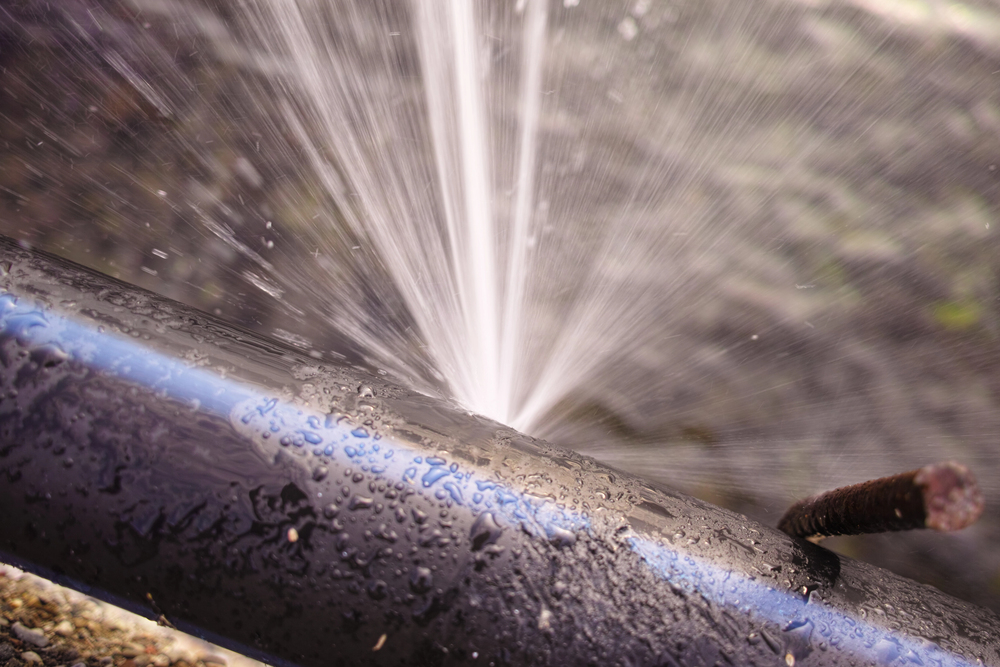
water pipe emergency repair

How to Respond Quickly When a Major Pipe Burst Occurs

A major pipe burst can flood your Tucson, AZ home in minutes. Stay calm, act fast, and call an emergency plumber once you've stopped the flow. How to Deal With a Major Pipe Burst, Fast Protect Your Family If you've got small children or pets nearby, get them out of the affected area right away. Either the water itself or an electrical issue could endanger them, and they won't know how to stay out of your way or keep themselves safe. Shut Off the Water Head straight to your home's main shutoff valve: don't worry about assessing the damage or grabbing any belongings yet. Turn the valve clockwise until it stops. In most homes this valve is in the basement near the water heater, by the front foundation wall, or where the main line enters from the street. Turn Off the Electricity If the burst is near any outlets, lights, or appliances, turn off power to those areas at your breaker box. Only do this if you can reach the panel safely without stepping in deep water. If it feels risky, leave it alone and wait for help. Drain Remaining Water from the Pipes With the main water supply off, open all the cold-water faucets in the house and flush the toilets once. This relieves pressure and empties the lines so there's less water to keep spraying from the burst spot. Leave the faucets open until the flow slows to a drip. Document Everything Before Cleanup Get photos and videos of the damage right after you've stopped the water. You'll want evidence of the burst pipe, your wet floors, any affected walls and furniture, and damage to any belongings. You will need this for your insurance claim later, and the insurance companies will need proof that the damage came from this burst pipe rather than something else. Move Belongings and Contain the Water Lift rugs and move electronics, furniture, and important papers out of the wet zone. If the water is spreading, roll up towels or use plastic sheeting to block doorways and keep it from reaching other rooms. Work fast but safely. Don't carry heavy, soaked items if they're too heavy for you, and focus on irreplaceable items first, like photos, electronics, and documents. Call a Tucson, AZ Emergency Plumber Don't wait if water is involved, because every minute you lose is another minute for mold to grow or a new problem to develop.  A good emergency plumber can isolate the problem, make a temporary repair if it's after hours, and plan for a permanent fix as soon as possible while coordinating with a restoration team. Start Removing Standing Water While you wait for the plumber, use mops, towels, a wet/dry vacuum, or buckets to get water off the floor. The faster you remove it, the less it soaks into subfloors or walls. Open the windows and run fans to improve airflow if the weather allows. Your aim is getting the area as dry as possible. You've got this. Act fast, and call us at Economy Plumbing Service, LLC at 520-885-3510 for the best emergency plumbing service in Tucson.

Tankless or Traditional: What’s the Best Water Heater Option for Your Home?

The decision between tankless and traditional models for replacement water heaters in Tucson can make a real difference in your daily comfort and long-term costs. Let's take a closer look at how each type works, which will help you pick the right fit for your household. Traditional Heaters Traditional tank-style water heaters store a set amount of water, usually 40 to 80 gallons, in an insulated tank and keep it hot constantly using either gas or electricity. When you turn on the faucet, hot water flows from the tank while cold water refills it at the bottom. Tankless Heaters These heaters only give you hot water when you need it. Cold water passes through a heat exchanger inside the compact unit, and out comes hot water, nearly instantly. Pros of Both Let's consider the pros of the traditional heaters first: They're cheaper up front Installation is simpler because most homes already have the connections in place When it needs replacing, it's simple and often same-day They can handle a high flow rate (lots of usage simultaneously) The pros list for the tankless heater is also enticing: Less wasted energy from water being heated when it's not needed No running out of water, no matter how many people take showers Longer tank lifespan Takes up less space Cons of Both Here's the downsides to be aware of with traditional heaters: They use more energy (much more, in some cases) They run out of hot water, and you have to wait while they refill They're bulky and need more room for placement They need to be replaced sooner than tankless As for tankless heaters, be aware that: Installation costs are usually higher Initial purchase price is higher Flow rate is lower unless you invest in a bigger (or multiple) units Scale can form inside the heat exchanger faster than in a tank model Best Water Heaters in Tucson: Local Factors There are a few local factors that might also influence your decision. We have hard water, so that means scaling is more of an issue. Both types of heaters need to be flushed to prevent buildup, but the tankless might need it more often. We've also already got high energy bills with the hot summers we have here, so trimming that with a tankless model can make a big difference over time. Tankless water heaters pay for themselves in energy savings in about seven years, and if you take care of your model, it can last up to 20.If you're still weighing the options for your specific setup, give us a call at Economy Plumbing Service LLC here in Tucson at 520-885-3510. We're a family-owned business with more than seventeen years of honest, no-pressure service here in Tucson. We'll walk through your usage, space, and water conditions to help you choose the heater that actually fits your home and lifestyle. We also serve clients in Vail, Rita Ranch, Oro Valley, Green Valley, and surrounding areas.

Gas line repair and inspection in Pima County, AZ.

Are Your Gas Lines in Safe? Warning Signs You Can’t Ignore

We rely on our gas lines in Tucson to heat our homes, give us instant hot water, power our stoves, and more. Keeping your gas line safe is a serious responsibility, because the dangers of a problem in the gas line can be deadly. Here's some warning signs to look out for. Warning Signs That Gas Lines in Tucson Are in Trouble Emergency Signs Some warning signs are emergencies, and you cannot ignore them. Call your gas provider or emergency services and leave the area immediately if: You smell a sulfurous odor in or immediately around your house People in the house are suddenly and inexplicably experiencing headaches, dizziness, nausea, or shortness of breath If gas is escaping into the house, it can cause you and your family serious physical harm. The gas, as you breathe it, begins to displace the oxygen in your blood. You gradually asphyxiate or suffocate if you are exposed to too much for too long. Non-Emergency There are other warning signs that are less immediately serious, but you need to pay attention to them, regardless, as they could quickly turn serious: Corrosion Always inspect your pipes regularly, and if you see rust or other corrosion on them, be sure to call a qualified contractor right away. There may also be an issue if you notice flaking or bubbling of paint near your gas lines or a lot of dampness and residue around the fittings. A professional can seal joints and even replace a bad section of pipe if needed. Hissing If you hear hissing near a gas appliance or a meter, it likely means that gas is escaping. Even a little bit of a leak can increase your bills, of course, and indoors, it can create a very dangerous condition. Contact a professional contractor right away to take a look. If it's a single appliance, turn off the gas to that appliance. Bigger Bills If your habits haven't really changed, but the cost of your gas bill keeps going up, try turning off all your gas appliances and writing down the meter reading. Then, wait for an hour or two and check the meter again. If it has gone up, you have a leak. Low Pressure If the flame on your stove or in your furnace doesn't have the power it should have, then you could have a leak somewhere in the line leading to that appliance, or there could be a blockage. There also could be a faulty regulator in the appliance itself or corrosion in the piping. If several appliances seem to be affected, then the issue could be farther down the line and could be either your responsibility or something that your utility company needs to deal with. A contractor can investigate the situation and help you figure out what's going on. If you're noticing any issues with your gas line, schedule an appointment with us at Economy Plumbing Service LLC in Tucson or call us 24/7 at 520-885-3510. We also serve Vail, Rita Ranch, Oro Valley, and Green Valley.