
Blog

How Does Drano Work? And Why That’s a Problem

Drano is a household cleaning product that has been used for decades to unclog drains and pipes. It is known for its ability to dissolve hair, soap scum, grease, and other materials that can accumulate in pipes, causing blockages. While Drano can be effective at removing clogs, it is also a harsh chemical that can damage pipes over time if not used properly.

So, how does Drano work?

Drano is a combination of chemicals that work together to dissolve clogs. The main active ingredient in Drano is sodium hydroxide, also known as lye. This chemical is a strong base that can break down many materials, including hair, grease, and food particles.

When Drano is poured down a clogged drain, it reacts with the water in the pipe to create heat and release gas. This reaction helps to loosen and dissolve the clog, allowing it to be flushed away. In addition to sodium hydroxide, Drano also contains aluminum chips, which react with the sodium hydroxide to generate even more heat.

Drano also contains other chemicals that help to thicken the solution and keep it in contact with the clog for longer periods of time. These ingredients include surfactants, which help to break down grease and soap scum, and sodium nitrate, which helps to maintain the pH level of the solution.

While Drano can be effective at removing clogs, it is important to use it properly and to understand the potential risks associated with its use. One of the main risks is damage to pipes.

How does Drano damage pipes?

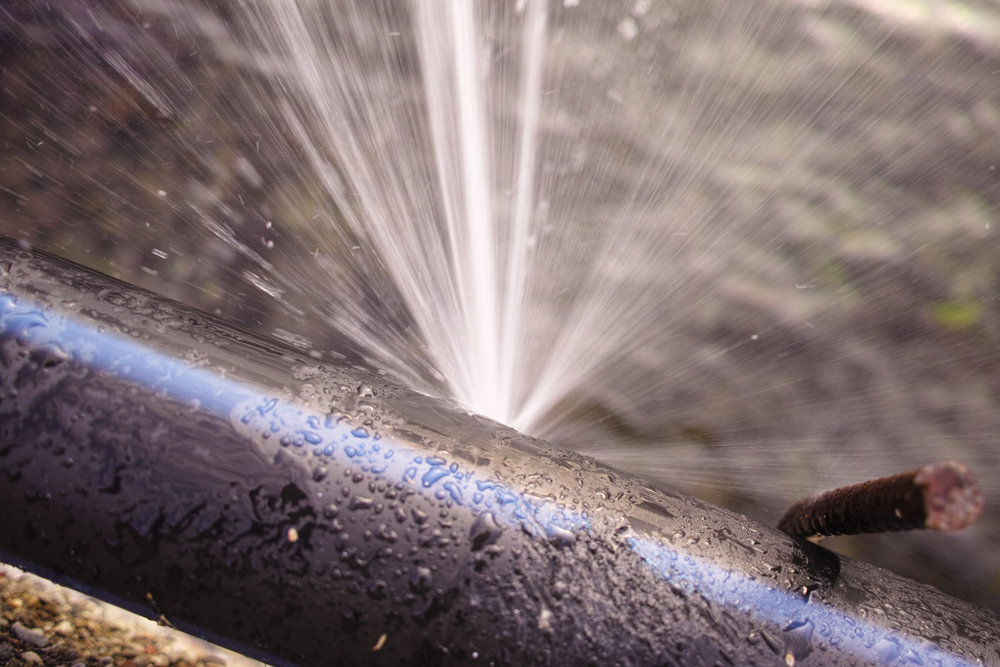
Drano is a harsh chemical that can damage pipes over time if not used properly. When Drano comes into contact with a clog, it creates a chemical reaction that generates heat and gas. This reaction can create a lot of pressure inside the pipe, which can cause the pipe to crack or burst.

In addition to the pressure created by the chemical reaction, Drano can also damage pipes by corroding them. Sodium hydroxide, the main active ingredient in Drano, is a strong base that can break down many materials, including metal. When Drano is poured down a drain, it can come into contact with the metal pipes, causing them to corrode and weaken over time.

Drano can also damage pipes by getting stuck inside them. Drano is a thick, viscous liquid that can cling to the walls of pipes, especially if it is not completely flushed away. Over time, this residue can build up and create a blockage, leading to more clogs and potential damage to the pipes.

Finally, Drano can also damage pipes by interacting with other chemicals that may be present in the drain. For example, if bleach has been poured down the drain before using Drano, the two chemicals can react to create toxic fumes. This reaction can be dangerous and can cause damage to the pipes as well.

How to Use Drano Safely

To use Drano safely and avoid damaging your pipes, it is important to follow the instructions carefully. Here are some other tips for using Drano safely:

Only use Drano as a last resort.

Try using a plunger or a drain snake first to see if you can remove the clog without using chemicals.

Use the right amount of Drano.

Follow the instructions on the label carefully and don’t use more than recommended. Using too much Drano can increase the risk of pipe damage.

Never mix Drano with other chemicals.

Mixing Drano with other chemicals, such as bleach or ammonia, can create toxic fumes and increase the risk of pipe damage.

Use Drano in well-ventilated areas.
When using Drano, make sure to open windows or use a fan to ventilate the area. This can help to reduce the accumulation of fumes.

If you have a clog in your pipe and you suspect you’re going to need something serious to clear it – don’t reach for the Drano, reach for a phone instead and give Economy Plumbing Service a call! We’ll get you sorted in no time, without damaging your pipes!
Recommended Posts

Tankless or Traditional: What’s the Best Water Heater Option for Your Home?

The decision between tankless and traditional models for replacement water heaters in Tucson can make a real difference in your daily comfort and long-term costs. Let's take a closer look at how each type works, which will help you pick the right fit for your household. Traditional Heaters more Traditional tank-style water heaters store a set amount of water, usually 40 to 80 gallons, in an insulated tank and keep it hot constantly using either gas or electricity. When you turn on the faucet, hot water flows from the tank while cold water refills it at the bottom. Tankless Heaters These heaters only give you hot water when you need it. Cold water passes through a heat exchanger inside the compact unit, and out comes hot water, nearly instantly. Pros of Both Let's consider the pros of the traditional heaters first: They're cheaper up front Installation is simpler because most homes already have the connections in place When it needs replacing, it's simple and often same-day They can handle a high flow rate (lots of usage simultaneously) The pros list for the tankless heater is also enticing: Less wasted energy from water being heated when it's not needed No running out of water, no matter how many people take showers Longer tank lifespan Takes up less space Cons of Both Here's the downsides to be aware of with traditional heaters: They use more energy (much more, in some cases) They run out of hot water, and you have to wait while they refill They're bulky and need more room for placement They need to be replaced sooner than tankless As for tankless heaters, be aware that: Installation costs are usually higher Initial purchase price is higher Flow rate is lower unless you invest in a bigger (or multiple) units Scale can form inside the heat exchanger faster than in a tank model Best Water Heaters in Tucson: Local Factors There are a few local factors that might also influence your decision. We have hard water, so that means scaling is more of an issue. Both types of heaters need to be flushed to prevent buildup, but the tankless might need it more often. We've also already got high energy bills with the hot summers we have here, so trimming that with a tankless model can make a big difference over time. Tankless water heaters pay for themselves in energy savings in about seven years, and if you take care of your model, it can last up to 20.If you're still weighing the options for your specific setup, give us a call at Economy Plumbing Service LLC here in Tucson at 520-885-3510. We're a family-owned business with more than seventeen years of honest, no-pressure service here in Tucson. We'll walk through your usage, space, and water conditions to help you choose the heater that actually fits your home and lifestyle. We also serve clients in Vail, Rita Ranch, Oro Valley, Green Valley, and surrounding areas.

Gas line repair and inspection in Pima County, AZ.

Are Your Gas Lines in Safe? Warning Signs You Can’t Ignore

We rely on our gas lines in Tucson to heat our homes, give us instant hot water, power our stoves, and more. Keeping your gas line safe is a serious responsibility, because the dangers of a problem in the gas line can be deadly. Here's some warning signs to look out for. Warning Signs That Gas Lines in Tucson Are in Trouble Emergency Signs more Some warning signs are emergencies, and you cannot ignore them. Call your gas provider or emergency services and leave the area immediately if: You smell a sulfurous odor in or immediately around your house People in the house are suddenly and inexplicably experiencing headaches, dizziness, nausea, or shortness of breath If gas is escaping into the house, it can cause you and your family serious physical harm. The gas, as you breathe it, begins to displace the oxygen in your blood. You gradually asphyxiate or suffocate if you are exposed to too much for too long. Non-Emergency There are other warning signs that are less immediately serious, but you need to pay attention to them, regardless, as they could quickly turn serious: Corrosion Always inspect your pipes regularly, and if you see rust or other corrosion on them, be sure to call a qualified contractor right away. There may also be an issue if you notice flaking or bubbling of paint near your gas lines or a lot of dampness and residue around the fittings. A professional can seal joints and even replace a bad section of pipe if needed. Hissing If you hear hissing near a gas appliance or a meter, it likely means that gas is escaping. Even a little bit of a leak can increase your bills, of course, and indoors, it can create a very dangerous condition. Contact a professional contractor right away to take a look. If it's a single appliance, turn off the gas to that appliance. Bigger Bills If your habits haven't really changed, but the cost of your gas bill keeps going up, try turning off all your gas appliances and writing down the meter reading. Then, wait for an hour or two and check the meter again. If it has gone up, you have a leak. Low Pressure If the flame on your stove or in your furnace doesn't have the power it should have, then you could have a leak somewhere in the line leading to that appliance, or there could be a blockage. There also could be a faulty regulator in the appliance itself or corrosion in the piping. If several appliances seem to be affected, then the issue could be farther down the line and could be either your responsibility or something that your utility company needs to deal with. A contractor can investigate the situation and help you figure out what's going on. If you're noticing any issues with your gas line, schedule an appointment with us at Economy Plumbing Service LLC in Tucson or call us 24/7 at 520-885-3510. We also serve Vail, Rita Ranch, Oro Valley, and Green Valley.

home water repiping plumber in AZ

Signs Your Home Needs Repiping: When Tucson Homeowners Should Replace Old Pipes

Most homeowners do not think about their plumbing pipes until there is a major leak or a sudden drop in water pressure. However, aging pipes can create ongoing problems that repairs may only temporarily fix. If your Tucson home has older plumbing, whole house repiping may be the right solution to improve reliability and prevent future damage. Economy Plumbing Service, LLC helps homeowners identify when their plumbing system needs more than another repair. Knowing the warning signs can help you address problems before they become expensive emergencies. more What Is Whole House Repiping? Whole house repiping involves replacing old or damaged plumbing pipes throughout a home. Instead of repairing one failing section at a time, repiping replaces aging pipes with new plumbing materials designed to provide better water flow and long-term performance. Many older Tucson homes still have original plumbing systems that may be affected by corrosion, mineral buildup, and years of use. Signs Your Home May Need Repiping Frequent Pipe Leaks If you are regularly dealing with leaking pipes or repeated plumbing repairs, the problem may be the age and condition of your entire plumbing system. Multiple leaks in different areas of your home often indicate that the pipes are reaching the end of their lifespan. Low Water Pressure Low water pressure throughout your home can be a sign of restricted or deteriorating pipes. Mineral buildup from Arizona’s hard water can collect inside plumbing lines over time, reducing water flow and making faucets and fixtures less effective. Discolored Water Brown, rusty, or cloudy water may indicate corrosion inside older pipes. While occasional discoloration can happen for several reasons, ongoing issues should be inspected by a professional plumber. Noisy Pipes Banging, knocking, or rattling pipes can point to underlying plumbing problems. While some noises are minor, consistent sounds may indicate aging pipes or pressure issues that require attention. Older Plumbing System The age of your home is an important factor when considering repiping. Many older homes in Tucson have plumbing materials that can become more vulnerable to leaks, corrosion, and reduced performance over time. Why Tucson Homes Can Have Unique Plumbing Issues Arizona plumbing systems often deal with hard water, which can contribute to mineral buildup inside pipes. Over years, this buildup can restrict water flow and place additional strain on your plumbing system. For older Tucson homes, replacing outdated pipes can help improve water pressure, reduce repairs, and provide a more dependable plumbing system. Is Repiping Better Than Constant Repairs? If you are frequently repairing leaks or dealing with ongoing plumbing problems, replacing your pipes may be more cost-effective than continuing temporary fixes. A complete repipe can provide: Improved water pressure Fewer plumbing repairs Reduced risk of leaks More reliable water delivery Schedule a Repiping Inspection in Tucson, AZ If your home has frequent leaks, low water pressure, or aging pipes, Economy Plumbing Service, LLC can help determine whether repiping is the right option. Our Tucson plumbing team provides professional repiping services and whole house pipe replacement to help homeowners protect their homes and improve their plumbing systems. Contact Economy Plumbing Service, LLC today to schedule a plumbing inspection and find out if your Tucson home needs repiping.