
Blog

Green Plumbing Solutions: Eco-Friendly Ways to Save

As professional plumbers operating in the beautiful state of Arizona, we are passionate about providing not only efficient plumbing services but also promoting eco-friendly solutions that can help save water and energy. This is a huge importance for us here in Arizona. With the increasing global focus on sustainability and environmental conservation, it is important for us to adopt green plumbing practices that not only benefit our planet but also help homeowners save on their utility bills. In this blog, let’s highlight some of the top green plumbing solutions that can make a positive impact on our environment and help you save water and energy in your home.

One of the biggest things we could be doing, especially in Arizona, to create a more eco-friendly environment/plumbing system in homes is to use less water.

10 Eco-Friendly Way To Save Water and Energy

Install Low-Flow Fixtures

One of the simplest and most effective ways to save water is by installing low-flow fixtures, such as faucets, showerheads, and toilets. These fixtures are designed to use less water while maintaining adequate performance. For example, a traditional showerhead can use up to 2.5 gallons of water per minute, whereas a low-flow showerhead can use as little as 1.5 gallons per minute, resulting in significant water savings over time. And that doesn’t affect the quality of the shower. Similarly, installing low-flow faucets and toilets can also reduce water usage, making them a smart and eco-friendly choice for your home. When we use less, we waste less!

Fix Leaks Promptly

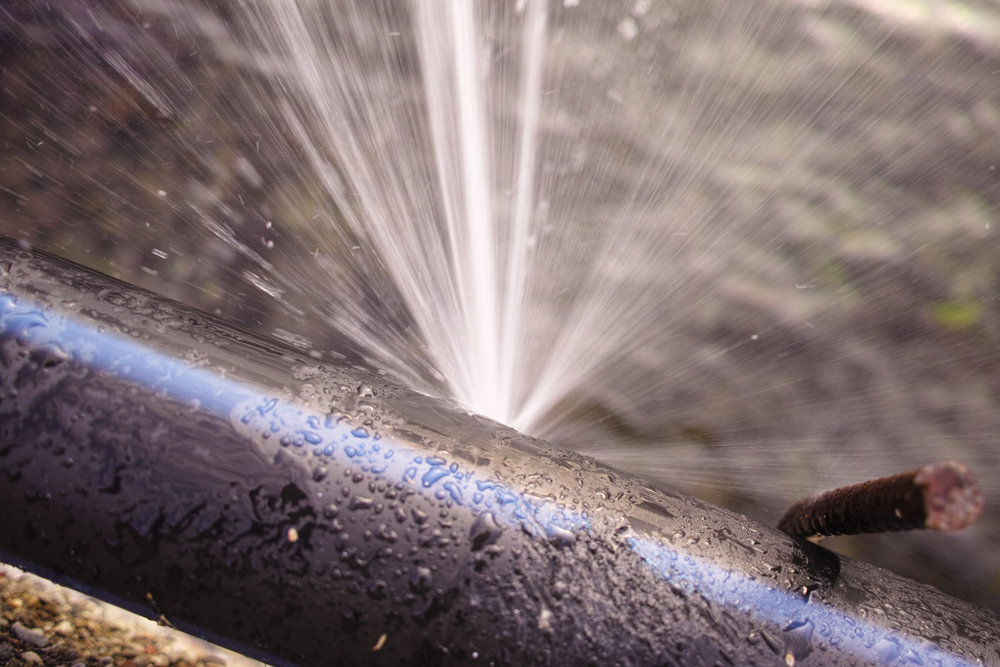
Leaks in plumbing fixtures, pipes, and faucets can waste a significant amount of water and energy. Even a small, dripping faucet can waste gallons of water daily. And that water dripping into a cabinet or behind a wall – what use is that water provide? Exactly. So it’s absolutely crucial to fix leaks promptly to prevent water wastage. Regularly inspect your plumbing fixtures and pipes for any leaks and address them as soon as possible to save water and energy.

Opt for Tankless Water Heaters

Tankless water heaters are more energy-efficient and can help you save on your energy bills, while also reducing your carbon footprint. Traditional water heaters with tanks can consume a lot of energy to keep a large volume of water heated even when it’s not in use. On the other hand, tankless water heaters only heat water when it’s needed, eliminating the need for a storage tank and reducing energy consumption. Nice! 

Harvest Rainwater

Arizona has a dry climate and limited water resources. One eco-friendly solution to save water is to harvest rainwater. You can install a rainwater harvesting system that collects rainwater from your roof and stores it in barrels or tanks for later use in irrigation, landscaping, or other non-potable water needs. This not only reduces your reliance on municipal water supply, but also helps in water conservation efforts. While we might not get the most rain, we can put the rain we do get to use!

Insulate Your Pipes

Insulating your pipes can help in conserving energy by preventing heat loss from hot water pipes. This is especially important in Arizona, where the climate can get extremely hot, causing the water in the pipes to heat up faster and lose heat quickly. Insulating your pipes can help maintain the temperature of the water, reducing the need to reheat water and saving energy in the process.

Install Water-Efficient Irrigation Systems

In Arizona, outdoor water usage can account for a significant portion of a household’s water consumption. While we’d always recommend going the xeriscape route, there’s definitely charm to grass and green trees. Installing water-efficient irrigation systems, such as drip irrigation or smart irrigation controllers, can help minimize water wastage by delivering water directly to the plants’ root zones and adjusting watering schedules based on weather conditions. This ensures that water is used efficiently, reducing water waste and saving both water and energy. 

Consider Greywater Recycling

Greywater is the wastewater generated from household activities like laundry, dishwashing, and bathing, which can be recycled and used for irrigation purposes. Greywater recycling systems can capture, filter, and treat greywater, making it safe for use in irrigating your garden or landscaping. By reusing greywater, you can reduce your reliance on fresh water for irrigation, conserving water and energy resources in the process.

Practice Water-Saving Methods

Simple water-saving practices in your everyday routine can also make a big difference in conserving the amount of water and energy. For example, turning off the faucet while brushing your teeth, using a pool cover to reduce water evaporation, only running full loads in your dishwasher and washing machine can all help in saving water and energy. Every little bit helps. Encourage your family members to adopt these practices and collectively contribute to a more sustainable lifestyle.

Choose Eco-Friendly Plumbing Materials

When it comes to plumbing installations or repairs, choosing eco-friendly materials can also have a positive impact on the environment. For example, opting for pipes and fixtures made from recycled materials, such as copper or stainless steel, can reduce the need for new resources and minimize waste. Additionally, using non-toxic drain cleaners and avoiding harsh chemicals in your plumbing system can prevent water pollution and promote a healthier environment.

Educate Yourself and Others

Finally, spreading awareness about green plumbing practices can create a ripple effect and inspire others to adopt eco-friendly solutions as well. Encouraging your friends, family, and neighbors to join the green plumbing movement can collectively contribute to a more sustainable future.

Incorporating green plumbing solutions in your home can have benefits for the environment and your utility bills. From installing low-flow fixtures and tankless water heaters to harvesting rainwater and adopting water-saving practices, there are many simple yet effective ways to save water and energy while reducing your carbon footprint. Let’s work together to protect our precious water resources and conserve energy for a better tomorrow. Call Economy Plumbing Services today, and let’s see what we can do together!
IF WATER GOES THROUGH IT OR TO IT, WE DO IT!

Recommended Posts

Tankless or Traditional: What’s the Best Water Heater Option for Your Home?

The decision between tankless and traditional models for replacement water heaters in Tucson can make a real difference in your daily comfort and long-term costs. Let's take a closer look at how each type works, which will help you pick the right fit for your household. Traditional Heaters more Traditional tank-style water heaters store a set amount of water, usually 40 to 80 gallons, in an insulated tank and keep it hot constantly using either gas or electricity. When you turn on the faucet, hot water flows from the tank while cold water refills it at the bottom. Tankless Heaters These heaters only give you hot water when you need it. Cold water passes through a heat exchanger inside the compact unit, and out comes hot water, nearly instantly. Pros of Both Let's consider the pros of the traditional heaters first: They're cheaper up front Installation is simpler because most homes already have the connections in place When it needs replacing, it's simple and often same-day They can handle a high flow rate (lots of usage simultaneously) The pros list for the tankless heater is also enticing: Less wasted energy from water being heated when it's not needed No running out of water, no matter how many people take showers Longer tank lifespan Takes up less space Cons of Both Here's the downsides to be aware of with traditional heaters: They use more energy (much more, in some cases) They run out of hot water, and you have to wait while they refill They're bulky and need more room for placement They need to be replaced sooner than tankless As for tankless heaters, be aware that: Installation costs are usually higher Initial purchase price is higher Flow rate is lower unless you invest in a bigger (or multiple) units Scale can form inside the heat exchanger faster than in a tank model Best Water Heaters in Tucson: Local Factors There are a few local factors that might also influence your decision. We have hard water, so that means scaling is more of an issue. Both types of heaters need to be flushed to prevent buildup, but the tankless might need it more often. We've also already got high energy bills with the hot summers we have here, so trimming that with a tankless model can make a big difference over time. Tankless water heaters pay for themselves in energy savings in about seven years, and if you take care of your model, it can last up to 20.If you're still weighing the options for your specific setup, give us a call at Economy Plumbing Service LLC here in Tucson at 520-885-3510. We're a family-owned business with more than seventeen years of honest, no-pressure service here in Tucson. We'll walk through your usage, space, and water conditions to help you choose the heater that actually fits your home and lifestyle. We also serve clients in Vail, Rita Ranch, Oro Valley, Green Valley, and surrounding areas.

Gas line repair and inspection in Pima County, AZ.

Are Your Gas Lines in Safe? Warning Signs You Can’t Ignore

We rely on our gas lines in Tucson to heat our homes, give us instant hot water, power our stoves, and more. Keeping your gas line safe is a serious responsibility, because the dangers of a problem in the gas line can be deadly. Here's some warning signs to look out for. Warning Signs That Gas Lines in Tucson Are in Trouble Emergency Signs more Some warning signs are emergencies, and you cannot ignore them. Call your gas provider or emergency services and leave the area immediately if: You smell a sulfurous odor in or immediately around your house People in the house are suddenly and inexplicably experiencing headaches, dizziness, nausea, or shortness of breath If gas is escaping into the house, it can cause you and your family serious physical harm. The gas, as you breathe it, begins to displace the oxygen in your blood. You gradually asphyxiate or suffocate if you are exposed to too much for too long. Non-Emergency There are other warning signs that are less immediately serious, but you need to pay attention to them, regardless, as they could quickly turn serious: Corrosion Always inspect your pipes regularly, and if you see rust or other corrosion on them, be sure to call a qualified contractor right away. There may also be an issue if you notice flaking or bubbling of paint near your gas lines or a lot of dampness and residue around the fittings. A professional can seal joints and even replace a bad section of pipe if needed. Hissing If you hear hissing near a gas appliance or a meter, it likely means that gas is escaping. Even a little bit of a leak can increase your bills, of course, and indoors, it can create a very dangerous condition. Contact a professional contractor right away to take a look. If it's a single appliance, turn off the gas to that appliance. Bigger Bills If your habits haven't really changed, but the cost of your gas bill keeps going up, try turning off all your gas appliances and writing down the meter reading. Then, wait for an hour or two and check the meter again. If it has gone up, you have a leak. Low Pressure If the flame on your stove or in your furnace doesn't have the power it should have, then you could have a leak somewhere in the line leading to that appliance, or there could be a blockage. There also could be a faulty regulator in the appliance itself or corrosion in the piping. If several appliances seem to be affected, then the issue could be farther down the line and could be either your responsibility or something that your utility company needs to deal with. A contractor can investigate the situation and help you figure out what's going on. If you're noticing any issues with your gas line, schedule an appointment with us at Economy Plumbing Service LLC in Tucson or call us 24/7 at 520-885-3510. We also serve Vail, Rita Ranch, Oro Valley, and Green Valley.

home water repiping plumber in AZ

Signs Your Home Needs Repiping: When Tucson Homeowners Should Replace Old Pipes

Most homeowners do not think about their plumbing pipes until there is a major leak or a sudden drop in water pressure. However, aging pipes can create ongoing problems that repairs may only temporarily fix. If your Tucson home has older plumbing, whole house repiping may be the right solution to improve reliability and prevent future damage. Economy Plumbing Service, LLC helps homeowners identify when their plumbing system needs more than another repair. Knowing the warning signs can help you address problems before they become expensive emergencies. more What Is Whole House Repiping? Whole house repiping involves replacing old or damaged plumbing pipes throughout a home. Instead of repairing one failing section at a time, repiping replaces aging pipes with new plumbing materials designed to provide better water flow and long-term performance. Many older Tucson homes still have original plumbing systems that may be affected by corrosion, mineral buildup, and years of use. Signs Your Home May Need Repiping Frequent Pipe Leaks If you are regularly dealing with leaking pipes or repeated plumbing repairs, the problem may be the age and condition of your entire plumbing system. Multiple leaks in different areas of your home often indicate that the pipes are reaching the end of their lifespan. Low Water Pressure Low water pressure throughout your home can be a sign of restricted or deteriorating pipes. Mineral buildup from Arizona’s hard water can collect inside plumbing lines over time, reducing water flow and making faucets and fixtures less effective. Discolored Water Brown, rusty, or cloudy water may indicate corrosion inside older pipes. While occasional discoloration can happen for several reasons, ongoing issues should be inspected by a professional plumber. Noisy Pipes Banging, knocking, or rattling pipes can point to underlying plumbing problems. While some noises are minor, consistent sounds may indicate aging pipes or pressure issues that require attention. Older Plumbing System The age of your home is an important factor when considering repiping. Many older homes in Tucson have plumbing materials that can become more vulnerable to leaks, corrosion, and reduced performance over time. Why Tucson Homes Can Have Unique Plumbing Issues Arizona plumbing systems often deal with hard water, which can contribute to mineral buildup inside pipes. Over years, this buildup can restrict water flow and place additional strain on your plumbing system. For older Tucson homes, replacing outdated pipes can help improve water pressure, reduce repairs, and provide a more dependable plumbing system. Is Repiping Better Than Constant Repairs? If you are frequently repairing leaks or dealing with ongoing plumbing problems, replacing your pipes may be more cost-effective than continuing temporary fixes. A complete repipe can provide: Improved water pressure Fewer plumbing repairs Reduced risk of leaks More reliable water delivery Schedule a Repiping Inspection in Tucson, AZ If your home has frequent leaks, low water pressure, or aging pipes, Economy Plumbing Service, LLC can help determine whether repiping is the right option. Our Tucson plumbing team provides professional repiping services and whole house pipe replacement to help homeowners protect their homes and improve their plumbing systems. Contact Economy Plumbing Service, LLC today to schedule a plumbing inspection and find out if your Tucson home needs repiping.